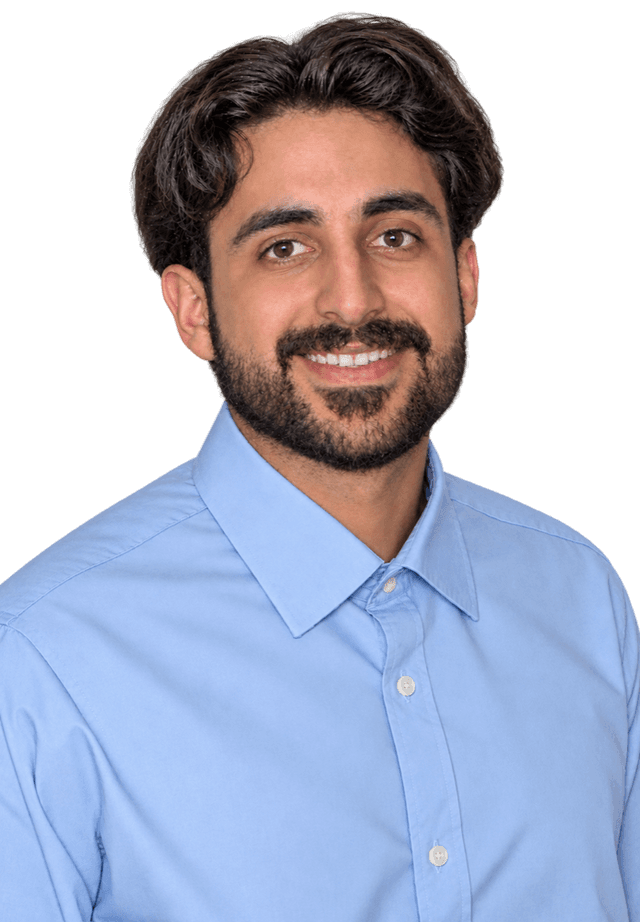
Landon Borrego
Full-Stack Software Developer
A man committed to growing as a developer. Learning to create tools and products that solve real problems for real people.
Why Software Development?
- 2018-2022
At the time, being a developer was never actually on my radar. Originally, my first plan was to become a therapist. I earned my Bachelor of Science in Psychology from Michigan State University with a simple goal in mind: to help people put their best foot forward and find joy in life through the power of therapeutic practice. Even so, part of me was looking for a challenge that psychology alone couldn’t give me.
- 2023
Through my sessions with post-grad career development, I came to realize that while that goal still resonates with me, the way I pursue it has pivoted. I’m equally fascinated by consistent, concrete solutions to problems, so I asked myself: what’s more consistent and concrete than psychology, and how can I keep helping people along the way? That question led me to software development.
- 2024–2025
From September 2024 to September 2025, I attended and graduated from Nashville Software School (NSS), a full-stack development bootcamp in Nashville, TN. There I gained hands-on experience with a wide range of tools, frameworks, and methodologies. NSS taught me to write structured & functional code, communicate clearly with colleagues, approach problems methodically, and keep building on my technical understanding.
- Present
Currently, I am focused on strengthening my technical foundation, expanding my skills within the modern development ecosystem, building portfolio projects, and connecting with individuals and companies whose mission and values align with my own.
Check out more about who I am throughout the webpage!
Tech Stack
Languages
Frameworks
Databases
Tools
Languages
Frameworks
Databases
Tools
Projects

Current Work
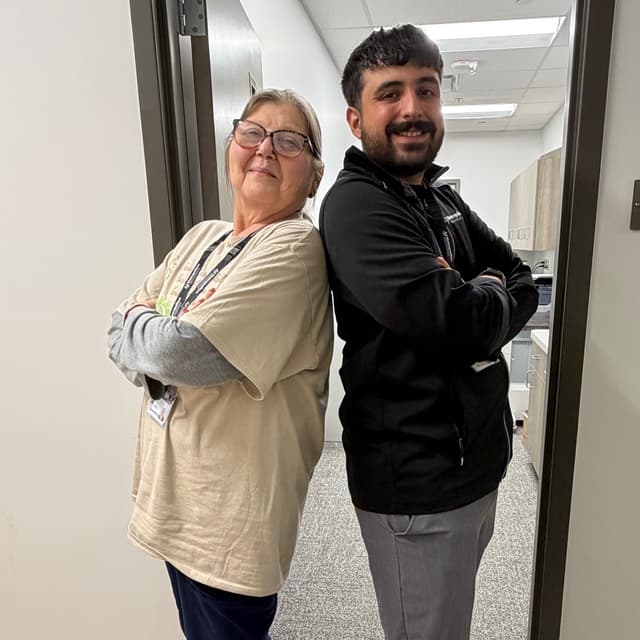
I currently work as a Mental Health Technician (MHT) at Metropolitan Behavioral Health, where I've served for over 3 years. I help patients get the care and treatment they need while contributing to the structure and daily flow of the unit.
Working in inpatient care has introduced me to people from many different backgrounds and reinforced my belief in treating every person with respect and openness, regardless of their circumstances.
My primary responsibilities as an MHT include, but are not limited to, the following:
- Monitor behavioral health units with 15–20 patients per shift, completing structured 15-minute observation checks and maintaining detailed behavioral logs.
- Document behavioral patterns and incidents to support data-driven treatment decisions and shift-to-shift information continuity.
- Respond to behavioral escalation incidents and alert clinical staff to critical issues to ensure timely resolution and patient safety.
- Collaborate with multidisciplinary teams to maintain structured workflows and operational compliance in a regulated healthcare environment.
Volunteer Work
Ronald McDonald House Charities
I had the privilege of being a part of the team Ronald McDonald House Charities Detroit for a little over a year and a half. After my graduation from Michigan State University, I wanted a deeper understanding of what and who I wanted to work for, and this opportunity to volunteer happened to land in my lap that very Summer! It was my first time seeing how a non-profit works internally, and seeing our impact was so gratifying to me. Seeing how other people share their care through gifting toys for the children during Christmas, meals for the families staying at the House, or equipment donated to the House by global businesses, being proud of what I was apart of is an understatement.
As I kept volunteering, I wanted to take the next step, so I joined the Associate Board, a group of motivated young people who gave their spare time to support the House. We ran monthly meetings, planned quarterly fundraisers, and had a ton of fun doing it. I was later voted in as volunteering and fundraising chair, where I shared volunteer opportunities with members and tracked funds raised and hours volunteered.
When people ask what I miss most about the House, I can't pick just one thing. I loved cooking meals with a team and seeing residents' faces light up. I felt like family sitting in the common area, talking with residents and sharing food from their backgrounds. On House tours, I was proud to point out our playroom, donated entirely by the Detroit Red Wings, and our 28 rooms for families with a child receiving care at a nearby hospital. And nothing beat high-fiving a kid heading home after their sibling's successful procedure. You can see why it's hard to choose!
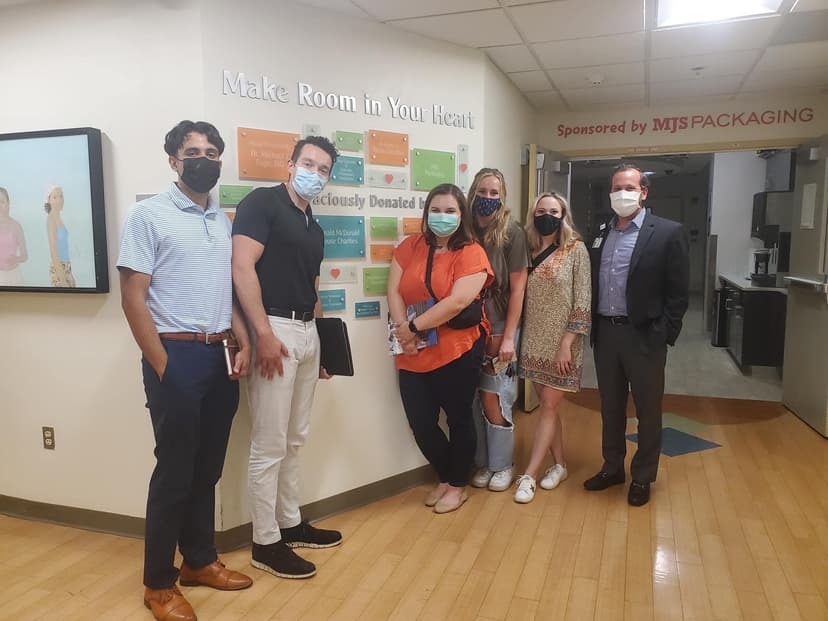
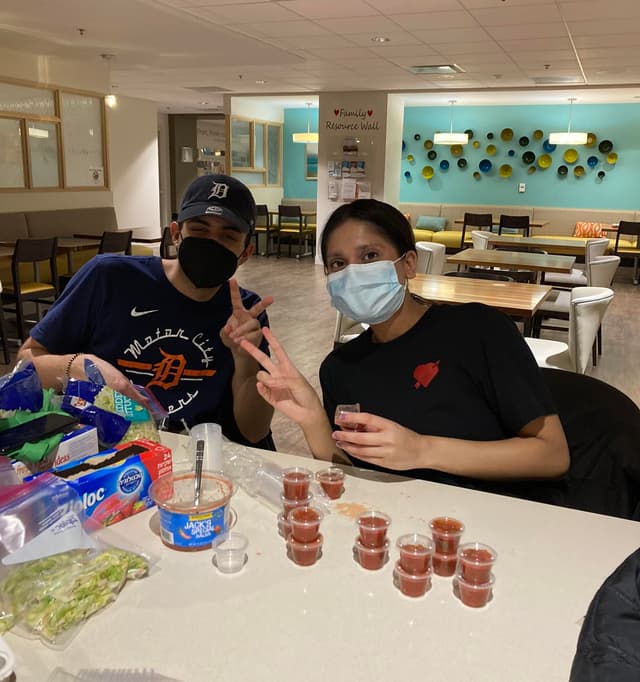
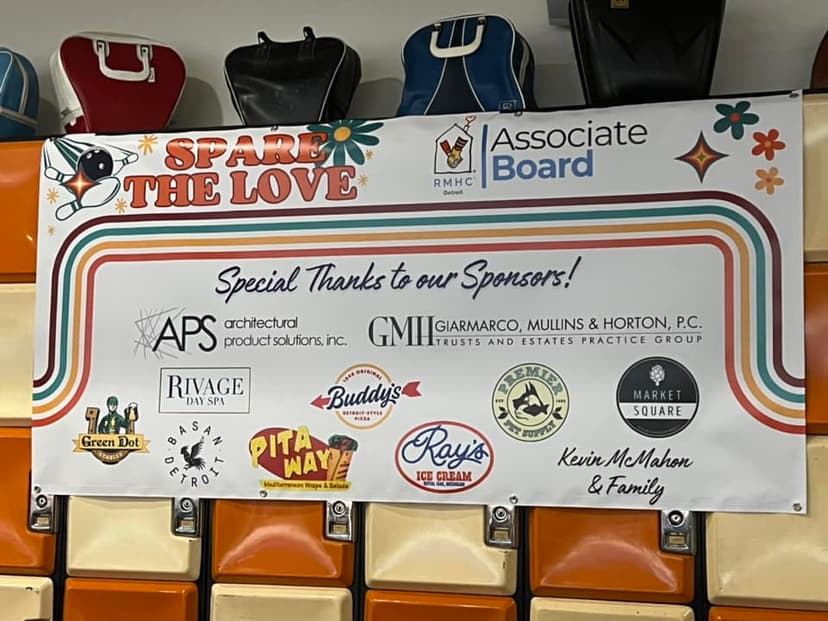
Here are some more metrics from my time at RMHC Detroit:
- Conducted over 45 successful corporate outreaches to identify and secure partnerships, sponsorships, and merchandise/monetary donations for RMHC events.
- Created 100+ volunteer opportunities for the Associate Board and all supporters of the House through the garden, meal programs, and other event initiatives.
- Dedicated 30+ cumulative hours of volunteering and funded over $1,000 of personal and encouraged donations.
- Led and participated in events that raised thousands of dollars such as "Spare The Love" at Bowlero Royal Oak.
Encavi
During my sophomore year of college, I joined a group of students on a seven-day study abroad trip to Mérida, Mexico, volunteering with communities across the city. My subgroup worked at Encavi, a local therapeutic center that cares for patients on the autism spectrum and patients with physical disabilities.
Every day when I arrived at the center, I was greeted with the sounds of the patients interacting with one another and the sights of learning circles and individual one-on-one care with specific patients. Although I was one of the students who was not fluent in Spanish, I still felt welcomed like family. Nonetheless, that gave me more reason to dig deeper and try to offer any support or positive energy that I can through means other than language.
The memory I carry most is a one-on-one session with a young man on the spectrum. His task was to fit shapes into their matching spaces, a fine motor exercise that builds hand-eye coordination and focus. Since I couldn't explain it in Spanish, I demonstrated when needed and leaned on animated gestures and big smiles. Every time he got one right, I celebrated as loudly as I could and talked to him the way I would with my friends back home. I'd give him a handshake, and he'd give me a hug. Watching him progress and match my energy felt like our city had just won a championship. Afterward, the service learning coordinator told me that in all his time at therapy, she had never seen him that excited or invested.
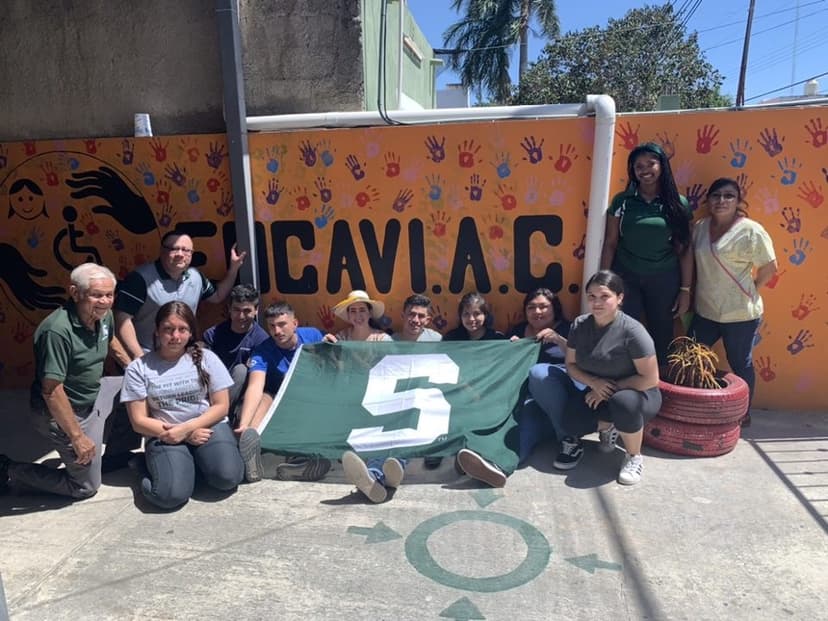
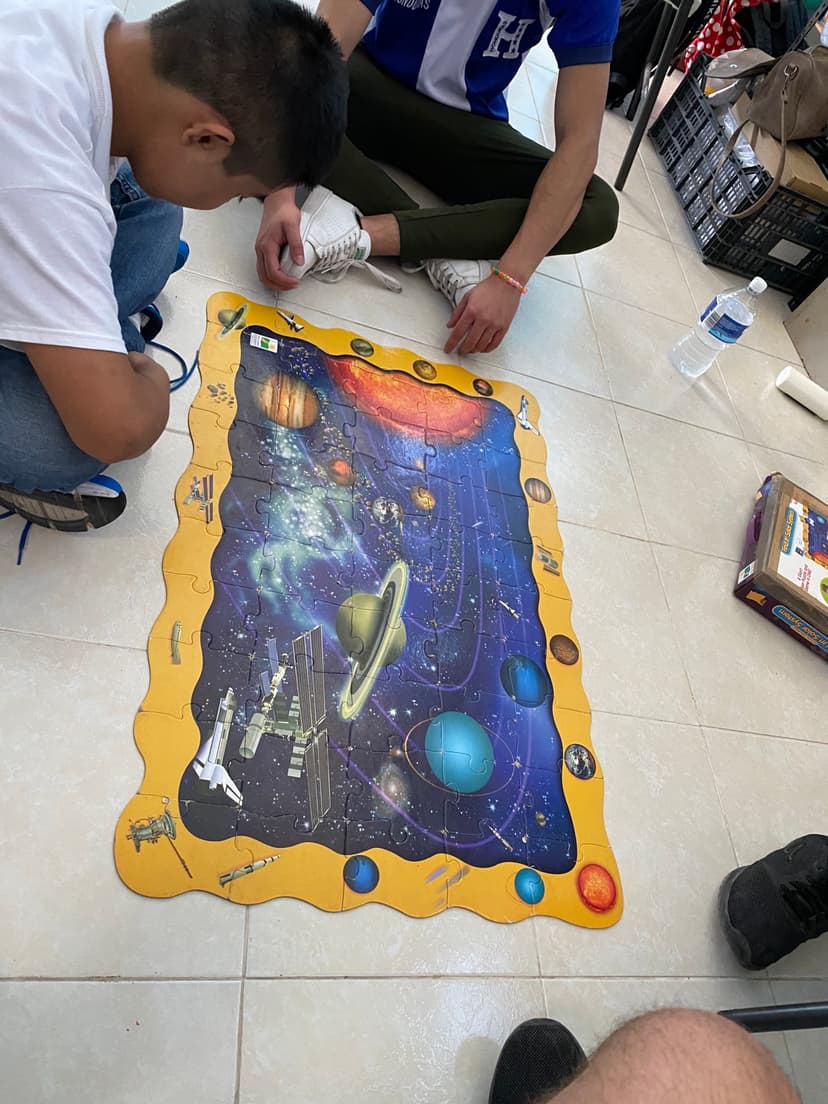
Here are some of the things I did during my time at Encavi:
- Assisted with occupational/physical therapy through motor skills such as assisted yoga stretching, soccer, and puzzle building.
- Provided autism-oriented care through developmental goal progression and a reward/reinforcement system for behavior.
- Supported staff with reading/speech focus practices such as vocabulary and read-aloud exercises.